
Limo Hire Guides & Advice
Limo Hire Safety & Booking Checks: What to Verify Before You Pay
A good limo booking should leave you knowing which vehicle is expected, how many passengers it can carry, what journey has been agreed, what you are paying for and what happens if something changes. These are the practical checks worth making before you send payment.
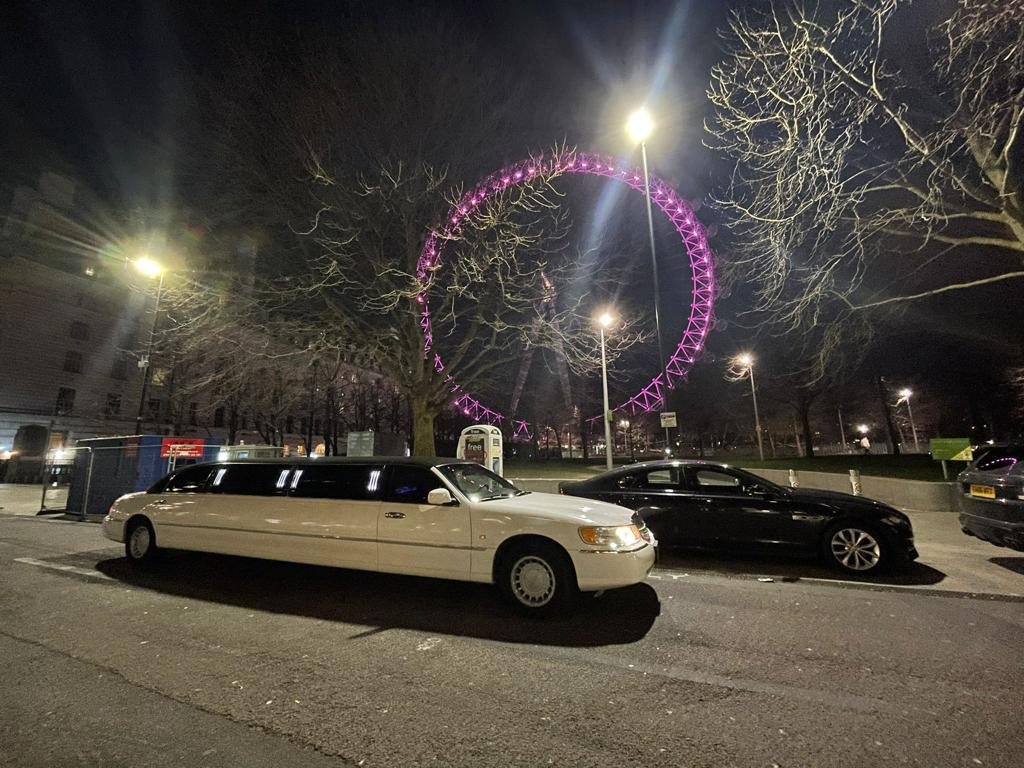
Most limousine bookings are made for occasions where timing and presentation matter: weddings, proms, birthdays, airport journeys, concerts, nights out and other London events.
That makes the booking itself important. If the vehicle, passenger capacity, route or payment terms are unclear before the money is sent, those uncertainties become much harder to solve on the day.
This guide is not about trying to turn customers into transport inspectors. It is about knowing what a professional booking should tell you and which questions are worth asking before you commit.
Before you pay
You should be able to answer these questions clearly.
Who is taking the booking? Which vehicle or vehicle type is expected? How many passengers are confirmed? What route and timing have been agreed? What does the price include? What payment is required? What happens if the original vehicle cannot perform the job?
If several of those answers are still vague, ask for clarification before paying.
Eight Checks Worth Making Before a Limo Booking Is Confirmed
Know who is taking the booking
You should know the business or booking company you are dealing with, how to contact it and where your confirmation will come from. Save the telephone number, email correspondence and payment record.
Confirm the expected vehicle
Ask whether you are booking a specific limo or a vehicle category. If colour, model, passenger capacity or a particular feature matters, make sure that requirement is recorded rather than assumed.
Confirm the passenger capacity
Give the real passenger number, including children. The booking should be based on the permitted capacity of the actual vehicle rather than how many people appear to fit inside it.
Give the complete itinerary
Include every known collection, destination, stop, required arrival time, waiting requirement and return journey. A quote based on half the itinerary is not a useful comparison.
Understand the licensing and insurance position
Commercial limousine journeys should be carried out using the licensing and insurance arrangements appropriate to the vehicle and passenger capacity. If you have a concern, ask the booking company to explain how the vehicle is operated.
Get the booking in writing
A written confirmation should record the core details of the hire. Do not rely on remembering what was discussed during several calls or messages.
Understand what you are paying
Know the total quoted price, deposit or payment required to secure the booking, when any balance is due and whether additional waiting or itinerary changes can alter the cost.
Ask what happens if the vehicle changes
Mechanical problems and other unexpected issues can occur in transport. Ask how a replacement would be handled and whether any substitute would still be suitable for the confirmed group and journey.
Know Who You Are Actually Booking With
A useful first check is simply identifying the company taking responsibility for the booking.
You should have a clear way to contact the business before and after payment. Keep the booking email, invoice or payment receipt and any written itinerary that forms part of the agreement.
Our own bookings may be fulfilled using our own vehicles or established partner operators depending on the date, location and vehicle required. Where a partner is used, the supplied vehicle, operator and chauffeur are still expected to meet the appropriate licensing and insurance requirements for the work they perform.
The important point is that the customer should not be left trying to work out who is responsible after something changes.
Confirm the Vehicle Rather Than Assuming From a Photograph
Vehicle photographs are useful when choosing a style, but the booking should make clear what those photographs represent.
If you specifically want:
- a white limousine rather than black;
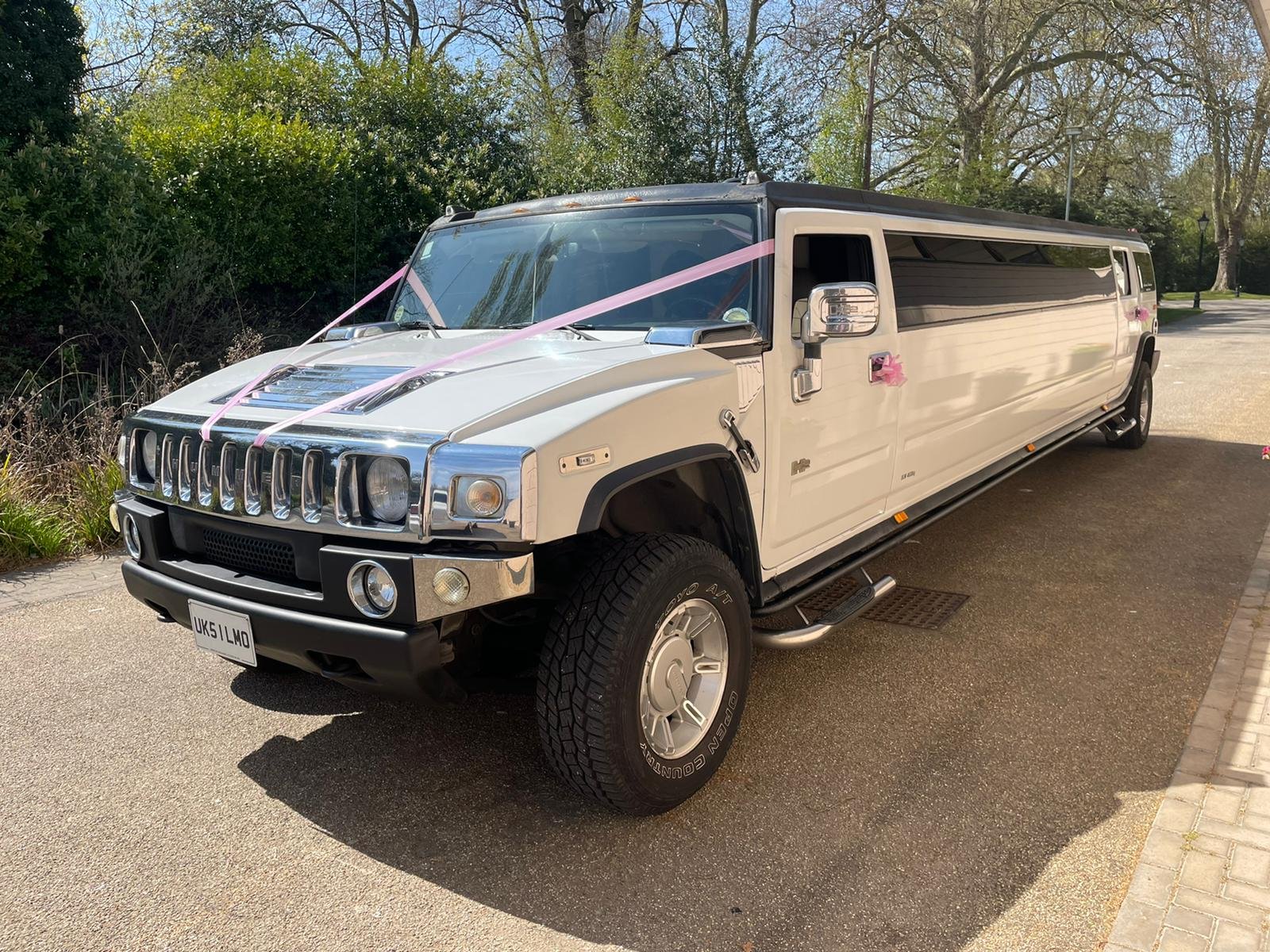
- a particular Hummer model;
- a Chrysler-style limo;
- a traditional Lincoln;
- a party bus rather than a stretch limo;
- a particular passenger capacity;
- a vehicle with a specific feature;
say so before payment.
Some bookings are made for a specific vehicle. Others may be confirmed by vehicle type, capacity or equivalent category. The written booking should make that clear enough that both sides understand what has been agreed.
Passenger Capacity Is a Safety Check, Not a Guess
The number of people who can travel should come from the permitted passenger capacity of the supplied vehicle.
It should not come from:
- how long the rear seat looks;
- how many people travelled in a similar limo previously;
- how many passengers can physically squeeze inside;
- an old advertisement for another vehicle;
- adding a child because they are small.
Tell the booking team the complete number travelling and let the vehicle be matched to that group.
Our limo passenger capacity guide explains this in more detail.
Children still count as passengers
If children are travelling, include them in the headcount and discuss any child-seat, restraint or adult-supervision requirements before booking.
Do not wait until the limousine arrives to mention that a baby, toddler or additional child is joining the group.
Licensing Depends on the Vehicle and Passenger Capacity
Limousine hire does not use one identical licensing arrangement for every vehicle.
Smaller chauffeur-driven limousines and larger passenger vehicles can fall under different licensing systems. That is why broad statements such as “all limos have the same licence” are not especially useful.
For the customer, the practical question is simpler:
Is the vehicle, operator and chauffeur being used under the appropriate licensing and insurance arrangements for this booking?
Our booking team expects commercial journeys to be fulfilled using appropriately licensed and insured vehicles, operators and chauffeurs. The exact arrangement can vary according to vehicle type and passenger capacity.
Small limousines
Private-hire style licensing is commonly relevant to smaller chauffeur-driven limousines. The exact London arrangement depends on the vehicle and operation.
Larger limousines
A large-capacity stretch limousine or novelty vehicle should not simply be treated as an oversized version of an ordinary private-hire car.
Party buses
Passenger capacity, vehicle construction and the way the service operates all matter.
Insurance
A normal private motor policy is not a substitute for the appropriate insurance required for carrying paying passengers.
Your Written Confirmation Is the Booking Record
A professional booking should not depend on everybody remembering a telephone conversation from three months earlier.
Check the confirmation
The important details should be written down.
The exact format can vary, but these are the details we would want a customer to check after making a London limo booking.
Understand the Payment Before You Send It
A deposit or advance payment is often used to secure a vehicle and date. What matters is understanding what that payment does.
Before paying, check:
- the total quoted price;
- the amount required now;
- whether the payment secures the vehicle or booking;
- when the remaining balance is due;
- how cancellation is handled;
- whether itinerary changes could alter the price;
- whether waiting beyond the booked period can create additional charges.
You should also keep evidence of the payment.
Our Terms and Conditions explain the contractual terms applying to bookings made through Limo Hire in London.
What Happens if the Original Vehicle Cannot Perform the Booking?
Vehicles are mechanical, and even a properly maintained limousine can develop an unexpected problem.
The useful question is what happens next.
For our bookings, if an unexpected mechanical problem affects the original vehicle, we will contact the customer and make reasonable efforts to provide a suitable replacement.
A replacement should still be appropriate for:
- the confirmed passenger count;
- the journey;
- the occasion;
- the relevant licensing and insurance requirements.
Depending on availability, the substitute may be an equivalent vehicle or an upgrade.
If a precise model or colour is especially important to a wedding, prom or photography booking, make sure the requirement has been explained before payment.
Warning Signs Before You Pay
No single warning sign proves that a booking is unsafe or unreliable, but several vague answers together should make you ask more questions.
The permitted capacity should not become negotiable simply because your group is larger than expected.
A reasonable replacement clause is different from having no meaningful vehicle description at all.
Important details should be available in writing so both sides can refer back to them.
A busy date can genuinely require quick confirmation, but that does not prevent the operator explaining the vehicle, price and booking terms.
If you asked for four pickups, a photo stop, a wedding transfer and a return but the quote appears to cover only one journey, clarify it before comparing the price with another provider.
The customer does not need to become an expert, but a professional booking company should be able to explain the basis on which the journey is being supplied.
Prom Limo Hire Deserves a Few Extra Checks
Proms often involve under-18 passengers, several household pickups, excited groups, fixed venue arrival times and parents who are paying for a journey they may not travel on themselves.
For a prom booking, make these details especially clear.
The reservation should be made or approved by a responsible adult for an under-18 group.
Give the exact number travelling and do not add friends on the day beyond the vehicle’s confirmed capacity.
Several home collections can add substantial time, particularly when photographs are wanted at each address.
Tell the booking team when the group must reach the prom, not only when you would like the first limo pickup.
Alcohol must not be provided to underage passengers. The booking should be treated as an under-18 journey from the beginning.
Parents and passengers should know who holds the booking details if something changes before departure.
See our prom limo hire page for dedicated London prom transport.
What Should Happen Between Booking and the Day?
After payment
Read it while the booking is fresh and raise anything that differs from what you requested.
When plans change
A new pickup, later destination, extra passenger or different event time can alter the journey and sometimes the vehicle required.
Before the event
Make sure passengers know the collection point, organiser, required departure time and any venue instructions that have been issued.
At collection
The chauffeur should not have to discover extra passengers, unexpected luggage or a completely different itinerary when the booking is due to leave.
The Five-Minute Pre-Payment Check
Before sending payment
Run through this once.
If you can answer each point confidently, the booking is far less likely to contain an avoidable misunderstanding.
A Safe Booking Is Usually a Clear Booking
Customers do not need to know every detail of limousine regulation to book confidently.
What they do need is enough information to understand the service being purchased.
The vehicle should suit the confirmed passenger number. The journey should be described accurately. Important requirements should be written down. The price and payment terms should be understood. The company taking the booking should be contactable. If a replacement vehicle becomes necessary, it should still be suitable for the job.
Those checks are useful whether you are booking an eight-passenger Lincoln for dinner, a large Hummer for a London prom, a wedding limousine, airport transport or several vehicles for an event.
The aim is not to make limo hire complicated.
It is to remove the avoidable uncertainty before the occasion begins.